Office Clearance in Kentish Town

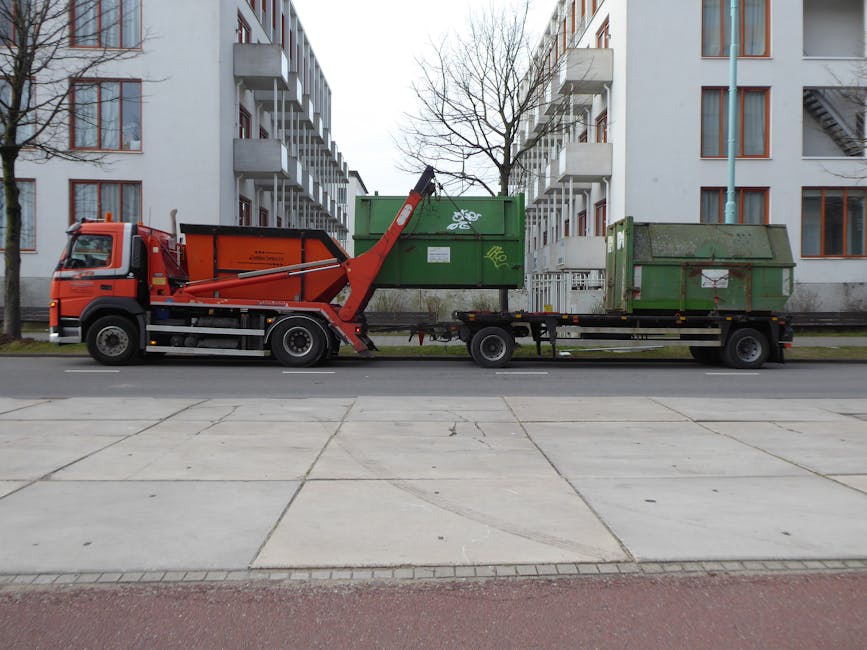
Office clearance in Kentish Town needs to be handled with care, whether you are emptying a single room, reorganising a shared workspace or preparing a larger suite for handover. We provide a practical service for removing desks, chairs, storage, filing items and mixed office contents, with a focus on orderly clearance rather than rushed lifting. The aim is to leave the premises ready for the next stage of use, with the work planned around access, building rules and the kind of items involved.
Our service can include general office furniture, archive material, redundant equipment and everyday workplace clutter that has built up over time. Where items need to be separated for reuse, recycling or disposal, that is handled as part of the process. If you need a clear scope before moving ahead, request a quotation and we can discuss the kind of clearance that best suits the space, the contents and the available access.
For a useful first step, it helps to note which areas must be cleared in full and which items are staying in place. That may include desks, shelving, chairs, boxes, packaging, monitors or small business items. We can then shape the work around a straightforward plan and keep the clearance focused on what actually needs to go, rather than disturbing the rest of the office.
Office furniture, fittings and workspace contents
Office clearances often begin with the bulky items that take up the most room and create the biggest obstacle to a tidy handover. Desks, pedestals, task chairs, meeting tables, cupboards and shelving all need different handling depending on how they are fixed, how they are built and whether they can be dismantled. A careful removal process reduces the risk of damage to floors, walls and doorways while making the space easier to use again.
We also deal with mixed workplace contents that do not fit neatly into a single category. That can include filing cabinets, loose stationery, old displays, reception items, break-room pieces and general office clutter that may have accumulated over months or years. Where possible, items can be separated so that suitable materials follow the right disposal route, and reusable furniture can be handled in a more considered way than simple bulk removal.
What this kind of clearance can cover
In many offices, the challenge is not just volume but variety. One room may contain a few heavy items, while another has boxed paperwork, spare monitors and storage units. A well-organised clearance makes it possible to move through the premises sensibly, giving attention to access routes, lifts, stairwells and loading points. That approach is particularly useful when different parts of the office need to be cleared in stages rather than all at once.
Equipment, electronics and responsible handling

Workplace clearances commonly involve items with cables, plugs, batteries or other components that should not be treated as ordinary rubbish. Computers, screens, printers, telephones and similar office equipment may need to be separated from general furniture so that they are handled appropriately. The same applies to accessories such as extension leads, chargers and small devices that are easy to overlook during a busy clear-out.
Responsible handling matters because office spaces often contain a mixture of reusable, recyclable and non-reusable contents. Some items are straightforward to remove, while others need sorting before they leave the premises. By keeping the process orderly, it becomes easier to identify what can be collected together and what should be kept aside for a separate route. That approach supports a tidier clearance and avoids turning a controlled job into a general mixed load.
It can also be helpful when there is a need to preserve important office items or segregate contents that are not part of the clearance. If there are cupboards, shared rooms or workstations that should remain intact, those details can be built into the plan. The clearer the selection of what stays and what goes, the simpler the clearance is to manage.
Archive rooms, storage areas and sensitive contents
Many offices in Kentish Town include storage rooms, cupboard spaces or archive areas that have filled up over time. These are often slower to clear than open-plan desks because the contents are mixed, boxed or stacked in a way that hides what is there until the job begins. A methodical approach is useful here, especially when files, folders, binders and old records need to be moved in an organised manner rather than tipped out and dealt with later.
We can clear storage areas that contain a combination of paperwork, stationery, spare supplies and obsolete office items. Where a business wants to keep certain records or equipment, those items can be identified before removal starts, which helps maintain control over the process. This is especially important in offices where different teams share cupboards or where old stock and active materials have been stored together.
Because archived rooms often hold more than just paper, the clearance may also involve shelving, lockable cabinets, boxes, office accessories and packaging. The key is to work from a sensible order of removal, rather than forcing everything into one pile. Measured sorting is often the difference between a useful clearance and a disruptive one.
Flat-based offices, shared workspaces and access challenges

Not every office is a conventional standalone unit. Some workplaces operate from converted buildings, upper floors, mixed-use premises or shared spaces where access is narrower and more restricted. In those settings, a clearance has to be planned carefully so that bulky items can be moved without unnecessary disruption to neighbours, other tenants or building operations. The route out of the property matters just as much as the items themselves.
We consider practical details such as door widths, corridors, stairs, lift use and loading arrangements when preparing this type of work. That helps avoid delays and keeps the clearance realistic for the space involved. In some premises, furniture may need partial dismantling before it can be removed safely. In others, the main issue is simply creating enough room to work without blocking the building for longer than necessary.
If your office is within a shared block or sits above another business, timing and coordination can matter as much as the contents list. A planned clearance can reduce interruption and keep the process orderly from start to finish. Good preparation is less about complication and more about avoiding avoidable friction on the day.
Planning the clearance and preparing a quotation
To prepare a meaningful quotation, it helps to understand the type of office, the quantity of items and any access constraints that could affect the work. A simple room with a handful of desks is very different from a multi-room clearance with storage, electronics and heavy furniture. We look at the scale of the job, the mix of contents and the practical route for removal so that the quotation reflects the real work involved.
Useful details usually include the rooms to be cleared, whether furniture needs dismantling, whether there are stairs or limited parking nearby, and whether any items must be left in place. Photographs or a short written list can make it easier to describe the job accurately, especially when there are several categories of items in different rooms. Keep the information focused on what is being removed and what needs to stay.
If you are comparing options or planning a wider office move, it is worth thinking ahead about access windows, lift bookings and handover timing. The most efficient clearance is one that fits the premises rather than fighting against them, so a little practical planning before the work begins can make the whole process easier to manage.
Clearance for refurbishments, moves and end-of-lease handovers
Office clearance is often needed because a space is changing purpose. You may be refurbishing, relocating, reducing the amount of furniture on site or preparing for a lease end. Each of these situations brings different priorities. A refurbishment may require selective removal while leaving some fittings untouched. A move may need the old premises emptied quickly after the new site is ready. A handover may demand a fuller strip-out of redundant contents.
We can adapt the clearance around the state of the office and the sequence of the wider project. That may mean removing items in stages, clearing only designated rooms or taking away all loose contents once essential materials have been separated. This flexibility is useful when contractors, building management or incoming tenants all have different expectations about how the space should be left.
Where an office contains both business-critical items and unwanted contents, the separation of those groups should happen early. A careful approach reduces the chance of losing anything useful and allows the clearance to support the next phase of work rather than getting in its way. It is often better to remove the obvious items first and then deal with the remaining detail in a second pass.
About Kentish Town
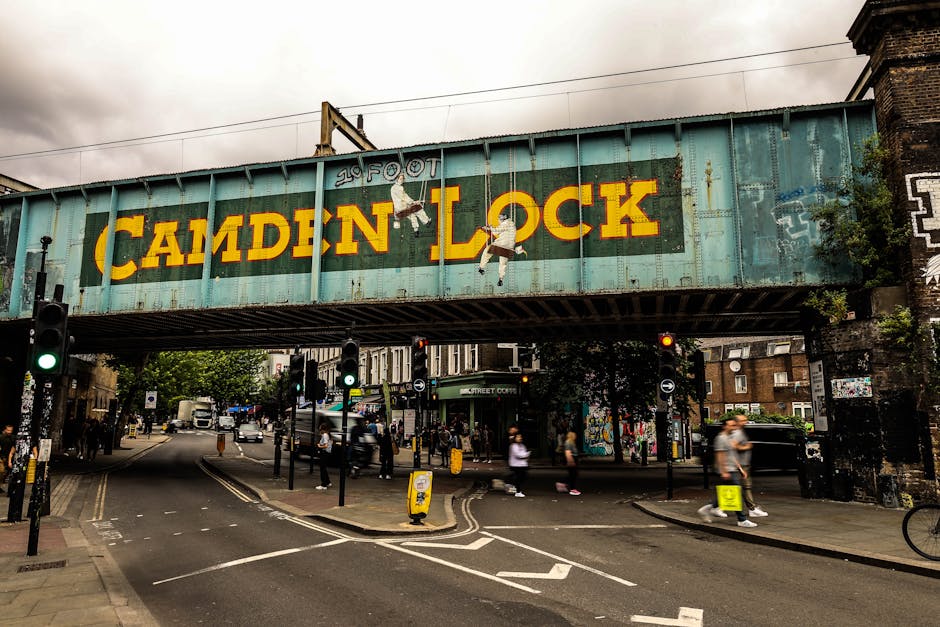
Kentish Town is a north London district in the London Borough of Camden, lying between Camden Town and Tufnell Park and extending towards Gospel Oak and Holloway. Its history is tied to the old route north out of London, and the area grew from a village settlement into a dense urban neighbourhood during the nineteenth century as railways, housing and industry expanded across this part of the city. That layered growth can still be seen in the local street pattern, where older routes sit alongside Victorian terraces, later commercial buildings and pockets of redevelopment. The district is well known for Kentish Town Road, a major north-south thoroughfare that carries shops, services and everyday movement through the area. Rail transport has also shaped its identity, with Kentish Town station on the Thameslink line and the nearby Underground station at Kentish Town West supporting links into central London and beyond. In architectural terms, the area contains a varied mix of homes, pubs, churches and converted premises, reflecting changes in use over time. The local leisure and cultural scene has long included music venues, performance spaces and independent businesses, while nearby green spaces such as Parliament Hill and Hampstead Heath add open landscape to an otherwise built-up district. Kentish Town therefore combines a busy urban character with a distinct residential presence, making it a place where everyday life, transport and commercial activity are closely interwoven.
Furniture removal, reuse and disposal options
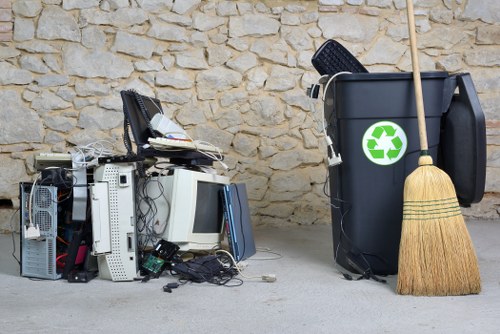
Office clearance is not always only about taking items away; it is also about deciding how each type of item should be handled. Some furniture may be suitable for reuse elsewhere, while other pieces may be worn, damaged or simply no longer appropriate for the workspace. Chairs, desks and cabinets often fall into different categories depending on condition, construction and the type of material involved. A sensible clearance keeps those distinctions in mind.
Where furniture can be passed on or separated for a better route, that can sit alongside the general removal work rather than being treated as an afterthought. This is especially useful when a business is updating only part of its office and wants the remainder of the clearance to be tidy and efficient. It can also help reduce unnecessary handling, because items that are clearly unsuitable for reuse do not need to be mixed with those that still have a practical future elsewhere.
Some offices benefit from a phased approach, particularly when one department is being updated while others remain active. In those cases, the removal plan can be shaped around the parts of the room that are no longer needed and the furniture that still has a role. That avoids over-clearing and makes the job fit the actual business change rather than forcing a one-size-fits-all solution.
Working around active offices and business hours
Not every clearance happens in an empty premises. Some jobs need to be carried out while a business is still trading, which means the work has to respect staff movement, customer access and ongoing operations. In those situations, the main requirement is not speed for its own sake but steady, controlled removal that avoids unnecessary interruption. A phased or room-by-room approach can be the best way to manage that.
We can work around office contents that are still in use, such as items awaiting relocation, shared equipment or furnishings needed until a later stage of a move. That makes it possible to clear redundant material without disturbing the rest of the workplace. Good communication before the job begins helps identify the most suitable order of removal and reduces the chance of rehandling items that should have stayed in place.
The most effective office clearance is the one that follows the rhythm of the building. If there are set access times, security procedures or restrictions on loading, those can be incorporated into the plan so that the removal process remains smooth. A practical schedule matters more than an over-ambitious one.
What to expect from a straightforward office clearance
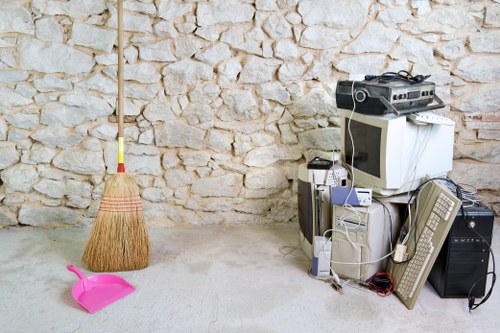
When an office clearance is organised properly, the work should feel structured from the beginning. The contents are identified, the scope is agreed and the removal happens in a sensible order. That may mean moving furniture first, then dealing with smaller items, or separating storage content before the final sweep. The best outcome is a workspace that is left clear enough for whatever comes next, whether that is refurbishment, relocation or simple closure of the room.
For customers, the main benefit of a planned service is certainty about what is being removed and how the job is being approached. There is no need to overload the process with unnecessary detail, but it is useful to be clear about the rooms involved, the access arrangements and the types of items present. If you are ready to move forward, ask for a quotation and we can discuss the clearance in practical terms.
Office clearance in Kentish Town is often about balancing speed, care and good judgement. The right service removes unwanted items without creating extra disruption, and it leaves the premises ready for the next stage with as little complication as possible. That combination of order and flexibility is what keeps the job manageable.