Avoid fly-tipping: what to do with mattress waste in NW5
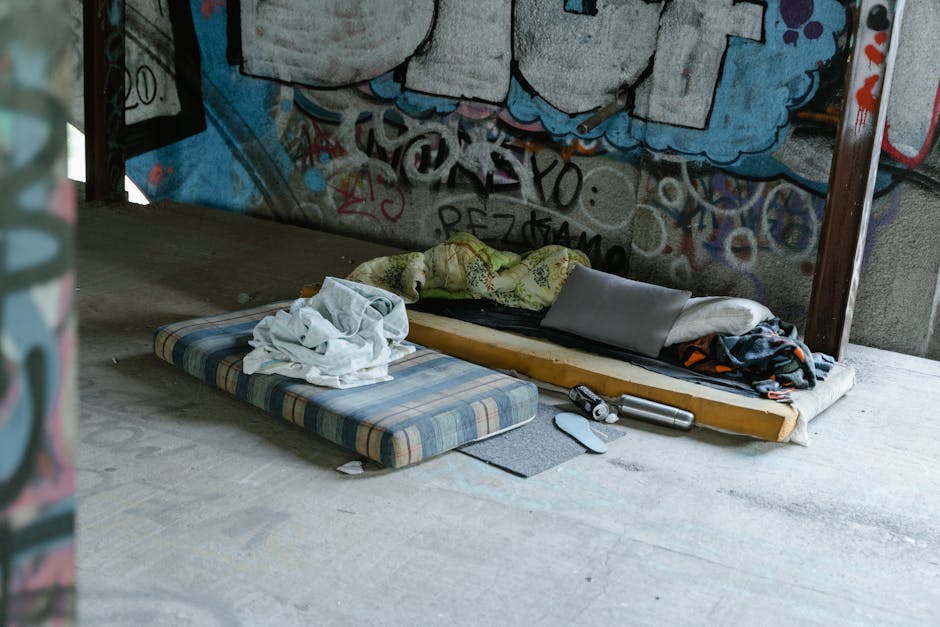
If you have an old mattress taking up space in a flat, hallway, basement, or outside your property in NW5, you are not alone. Mattress waste is awkward, bulky, and easy to put off until it becomes a problem. And that is exactly how fly-tipping starts: one "I'll deal with it later" moment turning into a damp, stained mattress left by a bin store or on the street. Not great, to be fair.
This guide explains how to avoid fly-tipping when dealing with mattress waste in NW5, what your disposal options are, what to watch out for, and how to choose a sensible, lawful route. Whether you are clearing one mattress from a home, handling multiple items from a rental, or sorting out office or commercial waste, the goal is the same: get it removed properly, without creating a nuisance or risking a fine.
You will also find practical steps, a checklist, a comparison table, and answers to the questions people actually ask. Because mattress disposal sounds simple until you are standing over a king-size mattress, wondering how it is going to fit through the stairwell. It rarely does on the first try.
For general service information, you can also review about the team behind the service, check recycling and sustainability practices, or see pricing and quote options if you are planning the next step.
Table of Contents
- Why it matters in NW5
- How mattress waste disposal works
- Key benefits and practical advantages
- Who this is for and when it makes sense
- Step-by-step guidance
- Expert tips for better results
- Common mistakes to avoid
- Tools, resources and recommendations
- Law, compliance, standards and best practice
- Options, methods and comparison table
- Case study or real-world example
- Practical checklist
- Conclusion
- Frequently asked questions
Why Avoid fly-tipping: what to do with mattress waste in NW5 Matters
Mattresses are one of those items that look harmless until they are left in the wrong place. Then they become bulky waste, an eyesore, and often a health and safety issue. In a dense area like NW5, space is tight. Shared entrances, narrow staircases, limited kerb space, and busy pavements all make mattress disposal a little more complicated than simply carrying something to the bin.
Fly-tipping matters because it affects everyone nearby. A mattress dumped beside a wall or tucked behind a skip can attract more waste, block access, and create the impression that the area is already neglected. Once that happens, more rubbish tends to follow. It is a frustrating pattern, and local residents know it well.
There is also the practical side. A wet mattress gets heavier, smells worse, and can become difficult to move safely. If it is left outside for long enough, the fabric can soak up rain, dirt, and sometimes unwanted pests. Nobody wants to be wrestling with that at 8am on a Tuesday.
Handling mattress waste properly is about more than tidiness. It helps keep communal areas usable, reduces the risk of illegal dumping, and supports responsible recycling where possible. When a mattress is collected and handled through the right route, the chance of it ending up as fly-tipped waste drops dramatically. Simple idea. Big difference.
How Avoid fly-tipping: what to do with mattress waste in NW5 Works
The basic process is straightforward: identify the mattress, choose the right disposal route, prepare it for collection, and make sure it is passed to a legitimate waste carrier or service. The details matter, though. A mattress is not just "a big soft thing"; it is a mixed-material item with springs, foam, textiles, and sometimes fire-retardant components. That mix makes responsible handling important.
In practical terms, the process usually goes like this:
- Assess the mattress - size, condition, access route, and whether there are one or multiple items.
- Decide on the disposal method - council-style bulky waste, private collection, property clearance, or reuse if it is still suitable.
- Prepare the item - keep it dry where possible, move it to an accessible point, and avoid dragging it through dirty areas if that will damage shared spaces.
- Book a lawful collection - choose a provider that explains where waste goes and how it is managed.
- Keep records if needed - especially for landlords, managing agents, or businesses.
That last point gets overlooked a lot. If you are responsible for a property, you may later need to show that waste was handled properly. A quick note, invoice, or confirmation can save a lot of awkwardness later on.
For readers who want a provider with a clear focus on safety and operational standards, it is worth reviewing health and safety information and insurance and safety details before booking any collection. That is not red tape for the sake of it. It is basic reassurance.
Key Benefits and Practical Advantages
Proper mattress disposal brings a few direct benefits, and they are more useful than they sound on paper.
- No fly-tipping risk - the mattress is removed through a legitimate route rather than being left outside "temporarily", which often turns into a problem.
- Cleaner communal spaces - especially important in flats, HMOs, and blocks where one abandoned mattress can become everyone's issue.
- Less manual hassle - a planned collection beats trying to force a mattress down stairs at awkward angles. You know the scene.
- Better recycling potential - some mattress components can be separated and treated more responsibly when handled by a proper waste route.
- Lower stress for landlords and agents - quick, documented disposal keeps voids, move-outs, and refurbishments moving.
- Reduced neighbourhood friction - no complaints from neighbours about mess, smell, or blocked access.
There is another advantage too: time. People often underestimate the hours wasted trying to organise informal disposal, borrow a van, or wait for a favour that may never arrive. A proper collection usually ends up being the simpler option in the end.
Expert summary: If you want to avoid fly-tipping with mattress waste in NW5, the safest approach is usually the most boring one: choose a legitimate collection route, prepare the item properly, and keep it off the street until it is collected.
Who This Is For and When It Makes Sense
This topic is relevant to more people than you might expect. Mattress waste does not only come from household moves. It comes from all sorts of ordinary life events, which is why disposal needs to be flexible.
You may need this guidance if you are:
- a tenant replacing a worn-out mattress after a move
- a landlord clearing a flat after tenancy turnover
- a letting agent preparing a property for re-let
- a homeowner refurbishing bedrooms or replacing old furnishings
- a student or sharer dealing with limited access and no storage space
- a small business, clinic, or accommodation provider with bedding to replace
- a facilities or office manager arranging broader clearance where furniture and soft waste need attention
It also makes sense if you are looking at disposal during a specific time pressure window. For example, if a tenancy ends on Friday and cleaners arrive Monday morning, you do not want a mattress sitting in the hallway all weekend. Truth be told, that is how decent spaces start looking scruffy very quickly.
If you are comparing services or planning around budget and timing, the pricing and quotes page can help you understand what is available before you commit. If you want to speak to someone directly, use the contact page.
Step-by-Step Guidance
Here is a practical way to handle mattress waste in NW5 without creating fly-tipping issues.
1. Check whether the mattress can be reused
If the mattress is still clean, structurally sound, and suitable for use, reuse may be the best option. That said, once a mattress has sagged badly, been stained, or picked up damp, reuse becomes less realistic. In shared accommodation especially, hygiene matters more than squeezing out a few more months.
2. Measure access before moving it
Take a minute to check stair width, lifts, corners, and entrance doors. A superking mattress in a narrow stairwell is not a fun discovery halfway down the steps. Measure first, move second.
3. Keep the mattress inside until collection day where possible
Leaving it outside early can be tempting, but it is a bad habit. Rain, passers-by, and opportunistic dumping can turn a planned disposal into an ugly little pile of waste. If it must be outside, keep it secure and out of the way.
4. Choose a proper collection route
Depending on your situation, that may be a bulky waste collection, a private clearance service, or a broader furniture disposal visit. The key is that whoever takes it should be able to explain what happens next. If that answer is vague, keep asking.
5. Confirm the mattress is being handled lawfully
Any legitimate waste service should be transparent about how waste is removed and managed. You do not need a lecture, just clarity. A trustworthy provider should be comfortable talking about compliance, handling, and disposal arrangements.
6. Ask for documentation if you are a landlord or business
An email confirmation, receipt, or invoice can help show that the waste was transferred properly. That kind of paper trail is boring, yes, but extremely useful if anything is questioned later.
7. Make sure the area is left clean
Once the mattress is gone, check for staples, plastic, dirt, or damp patches. It takes two minutes and keeps the space looking cared for. A small thing, but it matters.
Expert Tips for Better Results
Here are a few practical tips that make mattress disposal smoother in the real world.
- Book before the deadline gets tight. End-of-tenancy clearances, office moves, and refurbishments have a habit of running late. Give yourself a small buffer.
- Keep the mattress dry. A dry mattress is easier to move and less unpleasant for everyone involved. Wet fabric, especially after a night of drizzle, can be genuinely grim.
- Bundle related items together. If you are also removing a bed base, frame, or old headboard, disposing of them together is usually more efficient.
- Ask about the route for mixed waste. Some mattresses are only one item in a bigger room clearance. Make sure soft furnishings, frames, and general waste are separated sensibly.
- Think about neighbours and access. A quick heads-up in a communal property can prevent complaints about lift use, corridor blocking, or timing.
One thing people forget: mattresses are awkward not because they are heavy, but because they catch on everything. Door handles, banisters, corners, the works. A calm, planned move is much safer than a rushed one. Less drama, fewer scuffs.
You can also check the recycling and sustainability approach if environmental handling matters to you, which it increasingly does for many residents and property managers.
Common Mistakes to Avoid
Most mattress fly-tipping starts with a small mistake rather than bad intent. The usual ones are very familiar.
- Leaving the mattress by the street "just for a bit" - that is the most common slippery slope.
- Assuming someone will take it - neighbours, passers-by, or informal helpers may not be properly equipped or responsible for it.
- Choosing the cheapest option without checking legitimacy - cheap can become expensive if waste is dumped illegally.
- Forgetting access issues - narrow stairs, parking restrictions, and timed building access can derail a collection.
- Mixing clean items with contaminated waste - once a mattress is damp, mouldy, or heavily soiled, handling may change.
- Not asking where the waste goes - a simple question, and a very sensible one.
Another common mistake is treating a mattress like general rubbish. It is bulky, hard to compress, and often unsuitable for ordinary bin disposal. Trying to squeeze it into a system that is not designed for it usually ends badly. No surprises there.
Tools, Resources and Recommendations
You do not need specialist equipment to arrange mattress disposal, but a few basic tools help:
- a tape measure for access checks
- strong gloves for safe handling
- a dust sheet or cover if the mattress must be moved through a clean property
- good lighting for stairs, landings, and basement access
- a mobile phone or notebook for booking details, access notes, and confirmation
For many people, the most useful "resource" is a sensible service provider who can handle the item without fuss. If you want to understand the company background before making that call, the about us page is useful. If you prefer to review payment handling and how transactions are managed, read the payment and security information.
It can also help to keep a simple decision note:
- Is the mattress reusable?
- Can it be moved safely from the property?
- Is a collection booked with a legitimate waste carrier?
- Do I have confirmation or documentation?
- Has the area been left clear and tidy?
That tiny checklist keeps the whole process grounded. Nothing fancy. Just organised.
Law, Compliance, Standards and Best Practice
Mattress disposal may seem low-stakes, but waste handling in the UK does carry responsibilities. You do not need to become a legal expert to do the right thing, though it helps to understand the basic expectations.
In simple terms, waste should be transferred to an authorised and responsible carrier, not abandoned, burned, or left where it can become fly-tipped. If you are a landlord, managing agent, or business owner, you should be especially careful about keeping records and using a provider you trust. That is standard best practice, even where the legal details vary by situation.
There are a few sensible principles worth following:
- Do not dump waste in public or shared spaces.
- Use a legitimate collection route.
- Keep proof of disposal where appropriate.
- Be honest about the waste type and condition.
- Use proper lifting and moving methods to reduce injury risk.
Best practice also means being transparent about expectations. If you book a collection, ask what is included, whether access matters, and how the mattress will be treated once removed. A reputable provider should be open about this. If you ever need to review service terms, the terms and conditions page is there for a reason.
Options, Methods, or Comparison Table
Not every mattress disposal route suits every situation. Here is a simple comparison to help you decide what fits best.
| Option | Best for | Strengths | Watch-outs |
|---|---|---|---|
| Reuse or donation | Mattresses in very good condition | Least wasteful, potentially useful to someone else | Only suitable if clean, safe, and accepted |
| Local bulky collection | Single household mattresses | Simple for residents, familiar process | May need advance booking and access preparation |
| Private mattress collection | Quick removal or awkward access | Flexible timing, often better for narrow stairways | Cost varies, so compare what is included |
| Property clearance | Multiple items or end-of-tenancy work | Efficient when clearing beds, frames, and other furniture together | Needs clear instructions to avoid missed items |
For a single mattress in a normal-access property, the simplest route may be enough. For a top-floor flat, a rental turnover, or several items at once, a more flexible collection is often the better call. The right choice depends on access, timing, and how quickly the space needs to be usable again.
Case Study or Real-World Example
Imagine a two-bedroom flat in NW5 after a tenancy ends. The mattress in the main bedroom is old, slightly sagging, and not something the next occupant would want to inherit. The landlord wants the place cleaned, decorated, and ready for viewing by the end of the week.
The obvious temptation is to move the mattress outside on collection day and hope for the best. But the building has a shared hallway, neighbours are protective of the entrance, and parking near the property is limited. If the mattress is left too early, it could block access or get damp before collection.
So the better approach is this: measure the stairwell, confirm the route down, keep the mattress inside until collection day, and arrange a lawful pickup with proper documentation. The mattress leaves the property cleanly, the hallway stays clear, and the flat can move on to the next stage without a complaint from the neighbour downstairs. Small win, but a real one.
That kind of situation is common in NW5. The successful outcome usually comes from planning, not effort alone. Anyone can shift a mattress. The trick is shifting it without creating a mess or a headache.
Practical Checklist
Use this quick checklist before disposal day:
- Confirm whether the mattress is reusable, recyclable, or simply waste
- Measure doors, stairs, and lift access
- Keep the mattress dry and away from public areas until collection
- Choose a legitimate disposal or collection route
- Check whether other furniture can be removed at the same time
- Keep confirmation, invoice, or booking details
- Make sure the collection point is clear and safe
- Inspect the area after removal for debris or marks
- Review sustainability or recycling options where appropriate
- Contact the provider if anything changes, rather than guessing
Quick practical takeaway: if you plan the access, book a proper collection, and avoid putting the mattress on the street too early, you have already reduced most of the fly-tipping risk.
If you are ready to move from planning to action, the easiest next step is to use the contact page or check the quote information for a straightforward starting point.
Conclusion
Dealing with mattress waste in NW5 does not need to be complicated, but it does need to be done properly. The main risk is not the mattress itself; it is the delay, the guesswork, and the temptation to leave it somewhere temporary that turns into fly-tipping. Once you understand the best route, the process becomes much more manageable.
Keep the item dry, plan the access, choose a legitimate disposal option, and ask for confirmation if you need it. That approach protects your property, keeps shared spaces cleaner, and makes life easier for everyone involved. In a busy London neighbourhood, that matters more than people admit.
Get a free quote today and see how much you can save.
If you want to understand the wider standards behind the service, you may also find it useful to review the recycling and sustainability commitment and the health and safety policy. It is the sort of detail that quietly reassures you, and honestly, that counts for a lot.
Frequently Asked Questions
What is the safest way to dispose of a mattress in NW5?
The safest way is to keep the mattress off the street, arrange a lawful collection or disposal route, and make sure the item is handled by a legitimate waste carrier or clearance service.
Can I leave a mattress beside the bins for collection?
Only if it is part of a proper booked collection and left exactly as instructed. Leaving it out early or without arrangement can lead to complaints, obstruction, or fly-tipping issues.
Are old mattresses recyclable?
Some parts of a mattress may be recyclable, depending on condition and local handling arrangements. Springs, foam, and textiles can sometimes be separated, but not every mattress is suitable for the same process.
What should landlords do with mattress waste after a tenancy ends?
Landlords should arrange a proper removal route, keep records where sensible, and avoid leaving the mattress in communal areas. A quick, documented collection is usually the cleanest solution.
Is it better to replace one mattress at a time or do several together?
If you have multiple items, collecting them together is often more efficient. It can reduce disruption, limit handling time, and make the property easier to clear in one go.
How do I know if a waste service is legitimate?
Ask how the waste is handled, whether documentation is available, and what happens after collection. A trustworthy provider should answer clearly and without hesitation.
What if the mattress is too big to move through the stairs?
Measure the access route first and ask about collection options that suit awkward spaces. In some cases, a different removal method or careful handling plan is needed.
Can a damaged or stained mattress be donated?
Usually not. If a mattress is stained, damp, badly worn, or unhygienic, it is generally unsuitable for reuse and should be treated as waste rather than donation stock.
Will a collection service take the bed frame too?
Often yes, especially if you are arranging a wider clearance. It is best to mention all items in advance so the collection is planned properly.
What records should I keep after mattress disposal?
If you are a landlord, agent, or business, keep any confirmation, invoice, or booking note you receive. It helps show the waste was handled responsibly.
Does keeping a mattress outside for a few days count as fly-tipping?
It can become a problem very quickly, especially if it blocks access, attracts more rubbish, or is left without proper arrangement. The safer habit is to keep it secure until collection day.
Where can I find more information about the company and policies?
You can review the about us page, the terms and conditions, or the privacy policy for more background and service information.
What if I need help quickly?
If timing is tight, contact the team as soon as possible and explain the access, the number of mattresses, and any building restrictions. A clear first message usually speeds things up more than people expect.
One last thought: mattress disposal is one of those jobs that feels minor until it suddenly isn't. Handle it properly, and it disappears quietly into the background, which is exactly how waste should behave.