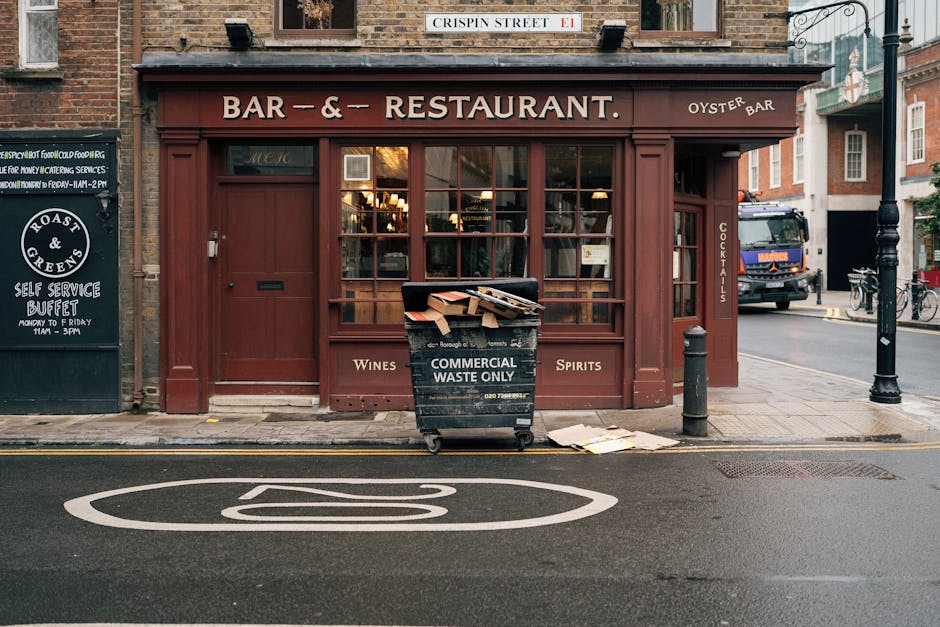
Cheap commercial rubbish removal for Kentish Town shops
If you run a shop in Kentish Town, rubbish has a habit of piling up at the worst possible time. One busy delivery day, a stock rotation, a display change, or a refit can leave you with cardboard, broken shelving, old fittings, and mixed commercial waste that needs shifting now, not next week. Cheap commercial rubbish removal for Kentish Town shops is really about getting that waste cleared quickly, legally, and without paying more than you need to. Done well, it keeps your shop tidy, safer for staff, and far easier to trade from.
This guide breaks down how shop waste removal works, what affects price, how to avoid hidden costs, and what to look for if you want a cost-conscious service that still feels professional. It is written for real shop conditions too: narrow frontages, limited back access, awkward opening hours, and that slightly chaotic end-of-day moment when the last thing you want is a mess left behind.
For readers comparing wider business waste options, the service page for business waste removal is a useful place to understand the broader setup, while waste removal gives a more general view of clearance services. If you want to know who is behind the work, you can also look at about us.
Table of Contents
- Why cheap commercial rubbish removal matters
- How the service works
- Key benefits and practical advantages
- Who this is for and when it makes sense
- Step-by-step guidance
- Expert tips for better results
- Common mistakes to avoid
- Tools, resources and recommendations
- Law, compliance, standards, and best practice
- Options, methods, and comparison table
- Case study or real-world example
- Practical checklist
- Conclusion
- Frequently asked questions
Why Cheap commercial rubbish removal for Kentish Town shops Matters
Shop waste is not just an eyesore. It takes up valuable selling space, slows down restocking, and can make the front of a store feel neglected. In a busy stretch like Kentish Town, where customers notice presentation quickly, a clean frontage matters. If bins overflow or boxes stack up near the entrance, people do notice. Let's face it, shoppers often make a judgement before they even open the door.
Cheap commercial rubbish removal matters because small businesses need predictable overheads. A shop can spend a surprising amount on waste if collections are unmanaged, if the wrong service is booked, or if everything gets left until it becomes a larger job than it needed to be. Cheap does not mean flimsy. In practice, it should mean efficient loading, sensible pricing, and no unnecessary fuss.
There is also a safety angle. Loose packaging, shattered fixtures, metal racking, and heavy bags of mixed waste create trip hazards. During a rush, even a small obstruction can cause a problem. A decent clearance routine reduces that risk and helps staff move freely behind the counter or in stockrooms.
Key takeaway: the cheapest option is not always the cheapest outcome. The best value is the one that clears waste properly, protects your time, and prevents repeat call-outs.
If your shop regularly generates furniture, display units, or mixed bulky items as well as general rubbish, it may be worth understanding related disposal routes such as furniture clearance and furniture disposal. That can help you separate reusable items from waste that genuinely needs removing.
How Cheap commercial rubbish removal for Kentish Town shops Works
Most commercial rubbish removal jobs follow a simple pattern, though the details vary depending on how much waste you have and where it is stored. For a shop, the process usually starts with a description of the waste type and volume. That might be bags of packaging, broken fixtures, old promotional materials, damaged stock, or a mix of everything after a refit. A clear description helps avoid misunderstandings later.
Once the job is assessed, the removal team usually arranges a collection window that fits around trading hours. That is important. A lot of shop owners prefer early morning or closing time, because nobody wants a clearance crew blocking access while customers are at the door. In Kentish Town, where space can be tight, timing is often half the battle.
On arrival, the team normally loads the waste, checks access, and removes it in one visit if possible. If there are awkward items or limited loading space, they may work in stages. A professional team should also separate material where practical for recycling, especially cardboard, metal, and clean wood. For businesses that care about the environmental side, the recycling and sustainability page gives a sense of the approach expected.
In many cases, the service is designed to be simple for the shop owner. You do not need to hire a skip, arrange permits, or spend half a day shifting waste to the pavement. That simplicity is often what makes the service feel cheap in the best sense of the word: less labour from you, less disruption, and no extra admin headaches. Nice, really.
Key Benefits and Practical Advantages
The main benefit is obvious: you get your commercial waste removed without tying up staff or eating into trading time. But there are a few other advantages that matter just as much in practice.
- Better presentation: clean shopfronts and tidy stockrooms make the business feel under control.
- Less disruption: a planned collection is easier than ad hoc bin stuffing all week.
- Safer working conditions: fewer trip hazards, fewer blocked walkways, and less clutter around back-of-house areas.
- Faster turnover: ideal after seasonal changes, deliveries, promotions, or small refurbishments.
- Better cost control: you pay for the amount and type of waste removed rather than oversizing the solution.
- More responsible disposal: a well-run service will usually aim to divert recyclable materials where appropriate.
There is also the less glamorous benefit of headspace. When the waste is gone, the shop feels calmer. Staff can get on with the actual work of selling, serving, and replenishing. Truth be told, that matters more than people admit.
For shops upgrading fixtures, adding shelving, or dealing with a bit of building work, it can also help to understand builders waste clearance. Mixed shop waste sometimes overlaps with renovation debris, and knowing the right route can keep costs down.
Who This Is For and When It Makes Sense
This service is a good fit for a wide range of Kentish Town shops. Small independents, chain stores, charity shops, cafes with retail corners, salons with product stock, and convenience stores all generate different waste streams. The common theme is simple: they need regular, efficient removal without turning the business into a mini skip yard.
It makes sense if you are dealing with:
- end-of-line stock or damaged packaging
- display changes and shop floor resets
- store room clear-outs
- old counters, shelving, or fittings
- post-delivery cardboard and shrink wrap
- refit waste after a small renovation
- bulky items that will not fit in normal bins
It is also useful when your own staff could technically move the waste, but should not. Heavy lifting, awkward access, and mixed materials can quickly become inefficient or even unsafe. Sometimes the job looks small until you actually start. Then it is 3:40 pm, the shop is still open, and the back room is suddenly full of broken shelf panels. Happens all the time.
If your site is more office-like than retail, the dedicated office clearance page may be more relevant, but for most shops the principles are the same: remove waste quickly, keep access open, and avoid unnecessary spend.
Step-by-Step Guidance
If you want a cheap but effective result, process matters. Here is the cleanest way to approach shop rubbish removal.
- Sort the waste first. Separate cardboard, reusable items, broken furniture, and general rubbish if you can. This often improves handling and may reduce cost.
- Estimate the volume honestly. A quick visual estimate is fine, but be realistic. Underestimating usually causes price changes or a second visit.
- Flag any access issues. Narrow stairwells, rear yard access, parking restrictions, and upper floors all matter.
- Identify any unusual materials. Paint, chemicals, electrical items, sharps, or food waste can change how the job is handled.
- Choose a collection time that fits trading. Early mornings or quieter windows are usually best for retail.
- Ask how the waste will be handled. A good provider should be able to explain sorting, recycling, and disposal in plain English.
- Confirm the final scope before the team arrives. That keeps the job tidy and helps avoid surprises.
That is the basic flow. Not glamorous, but effective. And because the job is commercial, clarity is everything. A five-minute phone call with good details often saves a lot of back-and-forth later.
If the waste comes from stock-room decluttering or general business contents, you may also find the broader office clearance service useful for understanding how mixed contents are managed alongside rubbish.
Expert Tips for Better Results
Over time, the cheapest commercial rubbish removal jobs tend to share a few patterns. The smartest shop owners do not just book a collection; they make the job easier to do. That usually lowers the friction and helps keep the quote sensible.
Keep waste grouped by type
Cardboard in one place, bulky items in another, loose rubbish in bags, and anything sharp or awkward clearly set apart. It sounds basic because it is basic, but it genuinely speeds things up.
Clear a path before collection
If the team has to weave through stock, clothing rails, or display stands, the job slows down. A clear route to the waste makes a real difference, especially in a compact shop.
Use your quietest trading window
A Monday morning collection might suit one business; a late afternoon slot works better for another. The best time is the one that causes the least interruption. That sounds obvious, though it is often ignored.
Ask about recyclable loading
If your waste includes large amounts of cardboard or metal shelving, ask how that is separated. Responsible sorting can support better value and better outcomes.
Don't wait until the back room is full
Small, regular clear-outs are usually easier to manage than one massive, slightly panicked one. Prevention is not a thrilling word, but it saves money.
For business owners who want a structured service, the pricing and quotes page is helpful for understanding how a tailored quote is normally approached, especially when the load is mixed or access is awkward.
Common Mistakes to Avoid
The most expensive rubbish removal jobs are not always the ones with the most waste. They are often the ones where the scope was unclear from the start.
- Leaving waste descriptions vague. "A bit of rubbish" is not enough. Say what it is.
- Forgetting bulky extras. One broken display unit can change the whole job.
- Ignoring access limitations. If parking is difficult or the waste is upstairs, mention it early.
- Assuming everything can go together. Mixed waste, electricals, and general rubbish are not always treated the same way.
- Booking too late. Last-minute requests can be harder to fit into a trading day.
- Chasing the lowest price without checking the scope. Cheap should still mean clear and complete.
One mild human truth here: a lot of "unexpected" charges are actually just expected details that were not mentioned first. Nobody enjoys that conversation. Better to be slightly over-communicative than vaguely optimistic.
Tools, Resources and Recommendations
You do not need fancy tools to manage shop waste better. A few simple habits and resources go a long way.
- Strong waste bags and stackable boxes: useful for keeping loose rubbish contained.
- Labelled storage areas: help staff separate cardboard, recyclables, and bulky waste.
- Measuring tape or quick space estimate: useful when checking how much waste is actually present.
- Mobile photos: a couple of clear pictures can help a provider understand the job before arrival.
- Collection notes: useful for recurring clear-outs, seasonal changes, or refit work.
If your shop also has furniture or fixtures that need removing, you may want to explore furniture disposal for items that are no longer suitable for reuse. For mixed commercial waste with a broader service requirement, business waste removal remains the most direct reference point.
One practical recommendation: keep a simple waste log for a few weeks. Just rough notes. You will quickly spot patterns such as delivery-day cardboard spikes or monthly stock culls. That makes future planning easier, and yes, a bit less annoying.
Law, Compliance, Standards, and Best Practice
Commercial rubbish removal sits inside a wider framework of UK waste duty and responsible disposal expectations. For shop owners, the safest approach is to use a provider that can handle waste legally, sort it properly, and explain what happens to it in plain language. You do not need a lecture; you need confidence that the waste is being dealt with correctly.
As a business, you should be cautious about where waste goes and how it is described. Mixed commercial waste, electrical items, and anything potentially hazardous should be separated and handled appropriately. If you store waste on-site before collection, keep it tidy, secure, and out of customer areas where possible. That is part legal sense, part common sense, and part not wanting a mess by the till.
Health and safety also matter. Heavy lifting, sharp edges, and blocked emergency routes are all avoidable risks. A competent team should work with safe loading habits and sensible site awareness. If you want more detail on the provider's approach, health and safety policy and insurance and safety are useful supporting pages.
For customers who like a straightforward business process, the terms and conditions and payment and security pages help set expectations around service, payment, and how transactions are handled. Good practice is boring sometimes. It also saves arguments. Which is handy.
Options, Methods, and Comparison Table
There are a few ways a Kentish Town shop can handle rubbish. The right choice depends on waste type, volume, access, and how often you need it cleared.
| Method | Best for | Pros | Limits |
|---|---|---|---|
| Ad hoc commercial rubbish removal | One-off or irregular clear-outs | Fast, flexible, minimal disruption | May cost more per visit if used very frequently |
| Regular business waste collection | Ongoing predictable waste | Good for routine stream of rubbish | Less suited to bulky or one-off clearances |
| Skip hire | Projects with space for loading over time | Useful for longer jobs | Needs room, may require permits, not ideal for tight shopfronts |
| Self-loading and van trips | Small volumes and in-house capacity | Can seem cheap at first | Takes staff time, fuel, and admin; often less efficient |
For most small shops, a direct removal service is the most practical option. Skip hire can work for refits, but it is rarely the friendliest choice on a narrow retail street. Self-loading sounds thrifty until your best staff member is stuck in a van queue instead of serving customers.
Case Study or Real-World Example
A typical Kentish Town shop clear-out might happen after a seasonal refresh. Imagine a compact independent retailer removing old display stands, several bags of packaging, a damaged counter panel, and a stack of flattened cardboard from a busy delivery week. Nothing dramatic. Just enough to become annoying.
The owner does a quick sort before opening, moves fragile stock away from the loading route, and sends photos to the clearance team. The collection is booked for an early morning slot before footfall picks up. On arrival, the team loads the waste in stages, separates recyclable cardboard where practical, and clears the back room without blocking the entrance.
The real win is not just that the waste disappears. It is that the shop feels reset. Staff can restock properly, the floor is clear, and there is no lingering pile of broken fittings waiting for someone to "deal with later". Later, in shop life, usually means never.
That kind of job is exactly where cheap commercial rubbish removal earns its keep: small enough to be straightforward, but important enough to affect trading comfort.
Practical Checklist
Use this before booking a collection:
- Have I listed the exact waste types?
- Have I estimated the volume realistically?
- Do I know whether there are bulky, sharp, or unusual items?
- Have I mentioned access issues such as stairs, narrow doors, or parking restrictions?
- Have I chosen a collection time that causes the least disruption?
- Have I separated recyclable materials where possible?
- Do I know what will happen to the waste after collection?
- Have I checked the provider's service information and expectations?
- Am I clear on payment terms and any conditions that apply?
- Is the area around the waste safe and easy to reach?
If you can tick most of those off, the job is usually smoother, quicker, and more economical. That is the whole game, really.
Conclusion
Cheap commercial rubbish removal for Kentish Town shops is not just about finding the lowest number on a quote. It is about choosing a service that clears waste efficiently, fits around your trading day, and does not create extra work for your staff. The best result is tidy, predictable, and genuinely cost-effective. No drama. No clutter hanging around for days. Just a cleaner shop and a bit more breathing room.
When you plan the job properly, separate materials sensibly, and share the right details up front, you make it much easier to keep costs down. That is especially true in busy retail settings where access is limited and timing matters. In the end, a simple, well-run clearance can make the whole place feel better. It sounds small, but it often changes the rhythm of the day.
Get a free quote today and see how much you can save.
And if you are still weighing up the right approach, take your time. A clear shop floor has a quiet way of making everything else feel more manageable.
Frequently Asked Questions
What counts as commercial rubbish for a shop?
Commercial rubbish for a shop usually includes packaging, cardboard, broken fittings, old display items, damaged stock, unwanted furniture, and general waste generated by trading. It can also include mixed bulky items after a refurb or seasonal reset.
Is cheap commercial rubbish removal suitable for small independent shops?
Yes. In fact, small independent shops often benefit the most because they need a service that is quick, flexible, and not over-engineered. The key is to give a clear description of the waste so the job can be priced properly.
How can I keep the cost down?
Sort the waste before collection, give accurate volume estimates, mention access issues early, and book at a time that avoids disruption. The more organised the load, the easier it is to keep the service economical.
Do I need to move the waste to the pavement first?
Not necessarily. Many commercial rubbish removal services are used because they reduce the need for shop staff to do the heavy lifting or move items into public areas. Always check what the collection includes and how access is handled.
Can cardboard and bulky items be taken together?
Often yes, but it depends on the provider and the type of waste. Cardboard, metal, wood, and general rubbish may be handled differently for sorting and recycling, so it helps to describe everything clearly in advance.
What if my shop has limited access?
Limited access is very common in retail settings, especially on busy streets. Mention stairs, narrow doorways, rear yards, and parking restrictions when you ask for a quote. That usually prevents delays and helps set the right expectations.
Is this better than hiring a skip?
For many shops, yes. A direct removal service is often more practical when space is tight, waste needs removing quickly, or you do not want to manage loading over several days. Skip hire can work for larger projects, though.
Can the service help after a small refit?
Absolutely. Shop refits often produce a mix of packaging, fixtures, old shelving, and general debris. A clearance team can usually remove that kind of waste far more efficiently than staff trying to deal with it in-house.
What should I ask before booking?
Ask what types of waste are accepted, how the pricing is worked out, whether recycling is included where appropriate, what access details matter, and what happens if the load is bigger than expected. Those are the questions that save trouble later.
Do I need to worry about safety?
Yes, especially with heavy items, sharp edges, and blocked walkways. A well-run collection should follow safe loading practices and keep the area as clear as possible. If you are unsure, ask about the provider's health and safety approach.
How quickly can shop waste usually be removed?
That depends on availability, the size of the job, and access, but many commercial clearances are arranged quickly because businesses often need waste gone without delay. The cleaner the brief, the faster the booking usually moves.
Where can I learn more about how pricing works?
The most useful place to start is the pricing and quotes page. It gives a sensible starting point for understanding how a job is assessed without guessing or overcommitting.
What if I also need help with wider business waste?
Then it makes sense to look at business waste removal as well, since that covers the broader day-to-day side of commercial waste management rather than just one-off clearance jobs.
Is recycling part of commercial rubbish removal?
It should be, where material type allows it. Cardboard, metal, and some other recyclable items are often separated out. For a clearer sense of responsible handling, the recycling and sustainability page is worth a look.