Skip permits on Kentish Town roads: Camden Council rules
If you are planning a clear-out in Kentish Town, the skip question tends to arrive fast: do you need a permit, who arranges it, and what happens if the skip has to sit on a public road? The short answer is that Skip permits on Kentish Town roads: Camden Council rules matter whenever a skip is placed on the highway rather than entirely on private land. Get that part wrong and the job can turn into delays, extra costs, or a not-so-friendly reminder from the council. Nobody wants that on a wet Tuesday morning, with rubble already piling up.
This guide breaks the rules down in plain English. You will learn how road-side skip permits usually work in Camden, what to check before booking, common mistakes to avoid, and when an alternative waste solution may be smarter. If you are comparing disposal options too, it may help to look at local waste removal support or read about builders waste clearance if your project is coming from a renovation or small construction job.
Table of Contents
- Why Skip permits on Kentish Town roads: Camden Council rules matters
- How Skip permits on Kentish Town roads: Camden Council rules works
- Key benefits and practical advantages
- Who this is for and when it makes sense
- Step-by-step guidance
- Expert tips for better results
- Common mistakes to avoid
- Tools, resources and recommendations
- Law, compliance, standards, or best practice
- Options, methods, or comparison table
- Case study or real-world example
- Practical checklist
- Conclusion
- Frequently Asked Questions
Why Skip permits on Kentish Town roads: Camden Council rules Matters
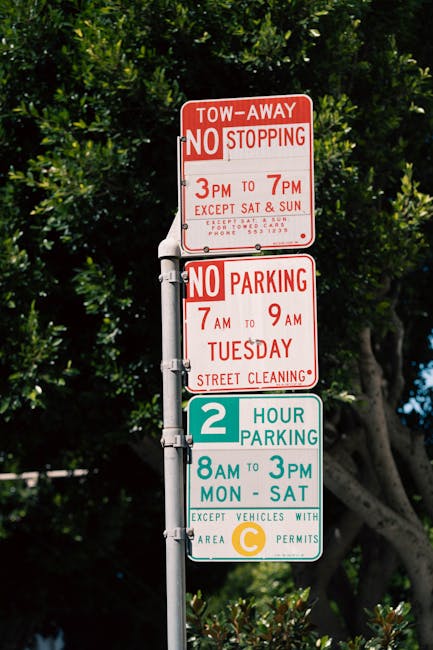
Putting a skip on a public road in Kentish Town is not just a practical decision; it is a compliance decision. If the skip sits on the carriageway, parking bay, footway, or any other public highway space, permission is usually needed. That is because the road belongs to everyone, and a skip occupies a chunk of it for days at a time. In a busy part of North London, that can affect traffic flow, sightlines, pedestrians, cyclists, refuse collections, and emergency access.
To be fair, many people only think about the skip itself: where it will fit, how much waste it will take, whether the lorry can get close enough. But the permit side is the bit that catches people out. If you ignore it, the skip may be removed, the placement may be refused, or you may end up paying more than you budgeted. And when a project already feels chaotic, that extra layer is the last thing you need.
There is also a neighbour factor. Kentish Town streets can be tight, parked-up, and busy at the best of times. A skip on the road can be perfectly legitimate, but it still needs to be managed responsibly. The permit process is there to keep things orderly, not to make life difficult for the sake of it. A well-planned placement is usually far less stressful than a rushed one.
Expert summary: If the skip is fully on your private drive, yard, or other private land, a road permit is normally not needed. If any part of the skip sits on public highway land, plan for permission before delivery. Simple rule, but an important one.
How Skip permits on Kentish Town roads: Camden Council rules Works
The basic process is straightforward, though the details matter. A skip hire company usually arranges the permit on your behalf if the skip will be placed on a public road. In many cases, the hire company will ask for the delivery location, start date, skip size, and how long you expect to keep it. The council then decides whether the placement can go ahead under its highway controls.
That said, not every road-side setup is equal. A narrow residential street, a bay outside a row of shops, or a location near a junction may raise different issues. The council may ask for specific positioning, markings, lighting, or time limits. In practical terms, the bigger the obstruction risk, the more carefully the permit will be considered.
It is worth understanding the split between public and private space. A skip on a driveway or garden does not normally need a road permit, but access can still be a challenge. If the lorry has to swing across dropped kerbs or shared access, that needs thought too. Sometimes the most sensible answer is not a skip at all. For smaller or mixed loads, a flexible waste removal service can be easier than juggling a permit and a heavy container.
One more thing people miss: the permit is not a one-size-fits-all ticket to leave a skip wherever you like. You still need to follow the conditions attached to it. That may include reflective markings, lamps at night, and making sure the container is not left overflowing. Little details, yes. But they matter.
Key Benefits and Practical Advantages
When handled properly, road-side skip permits can make a job much easier. They allow waste to be contained close to the source, which saves repeated trips to a tip or transfer station. For home projects, shop refits, or renovation work, that can be a real time-saver. You just load as you go and keep the site cleaner than you would with bags stacked around the hallway. Not glamorous, but very useful.
Here are the main benefits people usually value:
- Convenience: waste stays on site and is collected in one go.
- Better site control: debris, broken materials, and bulky items are kept in one container.
- Safer working area: fewer loose piles on pavements, paths, or in rooms.
- Suitable for larger jobs: especially where there is furniture, mixed household waste, or building materials.
- Less manual handling: compared with multiple car runs or repeated lifting into small bins.
For renovation-heavy projects, a skip can sit neatly alongside builders waste clearance planning. For household moves or downsizing, the same logic applies, though a full skip may be more than you need. In those cases, services like house clearance or flat clearance can sometimes be cleaner and simpler.
Who This Is For and When It Makes Sense
This topic matters to anyone in Kentish Town who expects to put a skip on the street, even briefly. That includes homeowners, landlords, tenants with permission, tradespeople, office managers, small shop owners, and anyone tackling a one-off clear-out. If you are clearing a garden shed, a loft, or the remains of a bathroom rip-out, the same rule applies once the container moves onto the road.
It makes the most sense when the waste volume is too large for normal council bins, but too awkward to move repeatedly in a van or car. A lot of people reach this stage after the second or third trip to a rubbish site. The first trip feels manageable. The fourth one, not so much.
Some typical scenarios:
- A terraced house with no front drive and a narrow pavement.
- A refurbishment job that produces plaster, timber, old units, and packaging.
- A business clearing desks, shelves, and archive material from an office.
- A landlord replacing furniture after a tenancy ends.
- A garden overhaul with soil, branches, and broken outdoor items.
If your project is more specialised, such as emptying a garage or attic, you may also want to compare it with garage clearance or loft clearance. Sometimes the best solution is to avoid a road permit entirely by choosing a clearance method that suits the property layout.
Step-by-Step Guidance
If you want to stay on the right side of Camden Council rules, the safest approach is to plan before the skip arrives. Here is a practical order that keeps the process under control.
- Confirm where the skip will sit. Private land usually avoids the permit issue. Public highway space does not.
- Check access and clearance. Measure the road width, parking restrictions, kerb height, and delivery space. A skip lorry is not exactly a nimble little hatchback.
- Choose the right size. A skip that is too small fills quickly; one that is too large may block more of the road than necessary.
- Speak to the hire provider early. If a permit is needed, the provider usually needs time to organise it before delivery.
- Plan the waste type. General mixed waste, heavy rubble, green waste, and furniture can affect what size and type you need.
- Prepare the loading area. Keep waste sorted and avoid putting prohibited items in the skip.
- Check permit conditions on arrival. Look for signage, markings, and placement instructions. Don't assume it is automatic.
- Book removal promptly. Once the work is done, arrange collection without delay so the skip does not sit around longer than necessary.
A small but useful habit: take a quick photo of the skip placement and the surrounding road space when it arrives. It helps if anyone later questions how it was positioned. Nothing dramatic. Just a sensible record.
Expert Tips for Better Results
Over the years, the jobs that go smoothly usually have one thing in common: they are planned a bit earlier than everyone thinks necessary. That sounds obvious, but it is often the difference between a calm clear-out and a messy scramble.
First tip: treat the permit as part of the booking, not an afterthought. If you wait until the last minute, you can box yourself into a delivery date that does not line up with council timing or access restrictions.
Second tip: think about neighbours and road users. If the skip is going near a driveway, parking bay, or corner, make sure sightlines are not compromised. A tidy placement keeps everyone happier, and frankly it avoids awkward conversations on the pavement.
Third tip: keep the skip level where possible. Overfilling is one of the classic problems, and it can create both safety and collection issues. A loaded skip that bows over the top is not just untidy; it may not be taken away until corrected.
Fourth tip: if your load contains furniture, broken household items, or reusable pieces, consider whether selective disposal makes more sense than one big mixed skip. For example, a job involving old sofas, wardrobes, and tables may pair better with furniture clearance or even furniture disposal rather than paying for excess skip capacity.
Fifth tip: keep an eye on timing. In winter, a skip can sit through dark evenings and poor visibility. Good lighting and reflective markings become more than a nice extra; they are part of a safe setup.
Common Mistakes to Avoid
Most skip permit problems are avoidable, which is both comforting and mildly annoying. Comforting because you can prevent them. Annoying because they often happen from simple oversights.
- Assuming road placement is allowed without checking. Never guess on a public highway.
- Leaving permit arrangements too late. This is probably the most common headache.
- Choosing a skip bigger than the site can handle. Bigger is not always better in tight Kentish Town streets.
- Blocking access points. Driveways, bins, and pedestrian routes still need room.
- Overfilling the container. Makes collection harder and can create safety issues.
- Ignoring the waste type rules. Some materials need separate handling.
- Forgetting that a permit has conditions. The paperwork is not the whole story.
There is also a broader mistake: choosing a skip because it feels familiar, even when another service would be better. A lot of people do this. It is understandable. But if you are clearing a whole property, a mixed set of bulky items, or an office space, the better option may be an organised office clearance or business waste removal arrangement rather than relying on a skip alone.
Tools, Resources and Recommendations
You do not need a giant toolkit to handle this properly. What you do need is a simple planning mindset and a few practical checks before the skip lands.
Useful things to have to hand:
- A tape measure for checking access and available roadside space.
- A rough waste list so you can estimate volume realistically.
- Photos of the road and frontage if access is tight.
- Clear dates for start, loading, and collection.
- A note of any parking or access restrictions outside your property.
It also helps to understand what kind of service you actually need. For example, a garden project may be better served by garden clearance, while a property-wide tidy-up may fit home clearance or house clearance better. If you are dealing with leftover materials from a build, the skip may still be the right answer, but not always the only one.
One practical recommendation: ask the provider how they handle permit-led deliveries in busy London streets. That question alone tells you a lot about whether they understand real-world access issues or are just winging it. You can usually tell quickly.
Law, Compliance, Standards, or Best Practice
Without getting too legal about it, the important principle is simple: placing a skip on public highway land normally requires permission, and the setup must meet the conditions attached to that permission. In practice, that means the skip should not create an unsafe obstruction, and it should be clearly visible where required. This is standard highway management common sense, really, even if the paperwork feels less than thrilling.
Best practice usually includes the following:
- Obtain permission before the skip is delivered.
- Use a reputable provider that understands local road conditions.
- Keep the skip within the agreed placement area.
- Do not load prohibited or hazardous waste unless specifically arranged.
- Maintain visibility and safety features where required.
- Remove the skip promptly after the job is complete.
There is also a safety angle. If the skip is near pedestrians, parked cars, or narrow bends, it should be positioned with care. For business users in particular, you may want to review a provider's health and safety policy and insurance and safety approach before booking. That is just sensible due diligence.
And if your project involves construction debris, packaging, and site tidying, it is worth checking whether a more structured service under builders waste clearance would reduce risk and admin. Sometimes compliance is easier when the service is designed for the mess in front of you.
Options, Methods, or Comparison Table
People often compare three main approaches: a road-side skip with a permit, a skip on private land, or an alternative clearance service. The right choice depends on space, waste type, and how hands-on you want to be.
| Option | Best for | Main advantage | Main drawback |
|---|---|---|---|
| Skip on public road with permit | Homes and sites without private space | Convenient and close to the work | Needs permission and careful placement |
| Skip on private land | Driveways, yards, or secure forecourts | Usually avoids road permit admin | Requires enough private space and access |
| Waste removal or clearance service | Mixed items, bulky furniture, quick clear-outs | Less admin, often more flexible | May not suit heavy ongoing building waste |
As a rule of thumb, if you are clearing items room by room, a service-based approach can feel lighter. If you are generating a steady stream of rubble or heavy materials over several days, a skip may be the better fit. There is no prize for forcing the wrong tool into the job.
Case Study or Real-World Example
Imagine a typical Kentish Town terrace with no front driveway and a narrow pavement. A homeowner is renovating a kitchen and needs somewhere for old cabinets, broken tiles, packaging, and a bit of plasterboard. A skip in the road sounds ideal at first. But once the measurements are taken, it becomes clear the street is tight, parking is unpredictable, and there is a busier stretch just a few doors down.
Instead of rushing straight into a roadside skip, the homeowner speaks to a clearance provider and compares options. The provider explains that a permit will likely be needed if the skip sits on the road, and also points out that some of the waste could be handled through a more targeted clearance arrangement. The result is a cleaner plan: fewer access issues, less stress over the permit, and a much clearer timeline for the renovation.
That is the real lesson. The best solution is not always the one that looks simplest at first glance. In London streets, especially, the surrounding space matters just as much as the waste itself.
Another common example is a small office refresh. Desks, chairs, old filing cabinets, and packaging may be better handled through office clearance than by dropping a skip onto a busy road and hoping for the best. The job gets done, but with fewer moving parts. And fewer headaches, which counts for a lot.
Practical Checklist
Use this before you book or place a skip in Kentish Town. It keeps the process grounded.
- Have I confirmed whether the skip will be on private land or public road space?
- Do I know if a permit is needed?
- Have I measured the available space properly?
- Is the street wide enough for safe delivery and collection?
- Do I understand what waste types are going in the skip?
- Have I chosen the right skip size?
- Is there enough room for safe loading?
- Do I need lighting or reflective markings for visibility?
- Have I checked the booking timeline against the permit process?
- Would a clearance service or alternative method be more practical?
Quick reminder: if you are unsure, pause and ask questions before delivery day. A 10-minute call can save a 10-day mess. That is not exaggeration, sadly.
Get a free quote today and see how much you can save.
Conclusion
Skip permits on Kentish Town roads are not complicated once you break them into three simple ideas: where the skip sits, who arranges the permission, and what conditions come with the placement. Camden Council rules exist to keep streets safe and workable, especially in an area where space is often limited and traffic never seems to stop for long.
The best results usually come from planning early, measuring properly, and choosing the right waste solution for the job rather than defaulting to a skip out of habit. That small bit of thought at the start can save you money, time, and avoidable hassle. And honestly, that is often the whole game.
If your project is more than a straightforward skip job, it may be worth comparing clearance options, access conditions, and the practicalities of your street before you commit. A good plan feels quiet when it works. No drama. No last-minute surprises. Just the job, done properly.
Frequently Asked Questions
Do I need a skip permit for Kentish Town roads?
If the skip will be placed on a public road or other highway space, a permit is normally needed. If it sits entirely on private land, you usually do not need one. The exact setup matters, so check before booking.
Who usually arranges the permit?
In many cases, the skip hire company arranges the permit on your behalf. Still, the customer should confirm what is included and whether the booking timeline allows enough time for approval.
How long does a road permit last?
Permit duration can vary depending on the local authority and the arrangement made through the provider. It is best to ask how long the placement is approved for before the skip is delivered.
Can I put a skip outside my house in Kentish Town if there is no driveway?
Possibly, but if the skip would sit on the road, you should expect permit requirements. Narrow streets, parking pressure, and access issues all need to be checked first.
What happens if I put a skip on the road without permission?
The skip may be removed, enforcement action may follow, and the overall cost of the job can rise quickly. It is one of those shortcuts that rarely pays off.
Is a permit needed for a skip on a pavement?
Usually yes, because the pavement is public highway space too. You should not assume pavement placement is allowed unless it is specifically approved.
What if my street is too narrow for a skip?
If access is too tight or the placement would block traffic, a skip may not be suitable. In that case, consider a clearance service or another waste solution that fits the site better.
Can I use a skip for furniture and household items?
Yes, in many cases you can, but bulky furniture may take up space quickly. For larger furniture-heavy jobs, a dedicated service such as furniture clearance or furniture disposal may be more efficient.
Do builders' projects always need a roadside skip?
No. Some projects are better served by structured builders waste clearance, especially if the waste stream is mixed or if the site layout makes roadside placement awkward.
What should I check before booking?
Check the placement location, access space, waste type, skip size, and timing. Also confirm whether the provider handles the permit and whether any safety conditions apply.
Are there better options for full property clear-outs?
Often, yes. For full homes, flats, lofts, garages, or offices, a tailored clearance service can be easier than managing a skip permit and the loading yourself.
Where can I learn more about the company and its policies?
You can read more about the team on the about us page, and if you want to understand how bookings, payment, or complaints are handled, review the terms and conditions and complaints procedure.