What to Do with Damaged Pots and Pans Besides Throwing Them Away: A Practical, Expert Guide
There's a moment every home cook knows too well: you reach for your favourite frying pan and notice the non-stick is flaking, the handle is loose, or the base is warped like a fun-house mirror. It's tempting to bin it and order a shiny new set. But pause. There's an easier, smarter, and greener way forward. This guide shows you what to do with damaged pots and pans besides throwing them away--from safe repair and thoughtful reuse to clever upcycling and responsible recycling that actually earns its keep.
We'll walk you through practical fixes, UK-friendly recycling routes, and creative ideas that give tired cookware a second life. Along the way we'll point out the safety red flags, industry standards, and the small decisions that add up to real savings. And yes--some genuinely fun DIYs too. Ever turned a battered pot into a herb planter that makes your kitchen smell like summer? You will.
Table of Contents
- Why This Topic Matters
- Key Benefits
- Step-by-Step Guidance
- Expert Tips
- Common Mistakes to Avoid
- Case Study or Real-World Example
- Tools, Resources & Recommendations
- Law, Compliance or Industry Standards (UK-focused)
- Checklist
- Conclusion with CTA
- FAQ
Why This Topic Matters
Cookware isn't just metal and handles. It's breakfast eggs at 7am, last-minute noodle nights, Sunday roasts, and the clatter that means "we're home." So when a pot cracks or a pan peels, it's not just inconvenient--it feels wasteful. In the UK, metal is widely recyclable and accepted at most Household Waste Recycling Centres (HWRCs), yet millions of items still end up in general waste. That's a missed opportunity for your wallet and the planet.
Beyond recycling, plenty of cookware can be safely repaired or repurposed. Cast iron can be re-seasoned. Copper can be re-tinned. Loose handles can be tightened or re-riveted. Even that scuffed stockpot can become a brilliant plant container. When you know the options, you stop throwing away value.
In our experience running local repair workshops, people often assume a pan's first scratch is its swan song. It's not. With the right info, most damage is either fixable or repurposable. And when it's truly done? Metal recycling is straightforward and often free. One Saturday in Peckham, it was raining hard outside, and someone walked in with a "ruined" cast iron skillet. We cleaned, seasoned, and restored it to a gorgeous satin black. The smile at the end--worth it.
Key Benefits
- Save money: A simple handle repair or re-seasoning can extend a pan's life by years, delaying expensive replacements.
- Reduce waste: Keeping cookware in use (or upcycled) cuts landfill and supports a circular economy.
- Better cooking performance: A restored cast iron or re-tinned copper pan often cooks better than a cheap new one.
- Creative satisfaction: Turning a dented pot into a herb planter or a colander into a pendant lamp feels--honestly--brilliant.
- Safety first: Knowing when a pan is truly unsafe (e.g., flaking non-stick) protects your health while avoiding wasteful overreactions.
- Community benefit: Donating metal to school workshops or makerspaces supports skills and local projects.
Let's face it: modern life nudges us to replace, not repair. This is your gentle nudge back. Clean, clear, calm. That's the goal.
Step-by-Step Guidance
If you're wondering what to do with damaged pots and pans besides throwing them away, start here. This process helps you decide whether to repair, repurpose, donate, or recycle.
1) Assess Safety and Material
- Identify the material: Stainless steel (non-magnetic or slightly magnetic), carbon steel (magnetic), cast iron (heavy, magnetic), aluminium (light, non-magnetic), copper (distinctive colour), non-stick coated (PTFE or ceramic).
- Spot the red flags:
- Non-stick peeling or flaking: Retire from cooking immediately. Repurpose or recycle.
- Deep pitting or cracks: Especially in thin aluminium or steel--unsafe for cooking.
- Seriously warped base: Poor heat distribution; fix only if mild. Often repurpose or recycle.
- Wobbly or loose handles: Usually fixable with screws, rivets, or high-temp hardware.
- Old copper with worn tin lining: Needs re-tinning before food use.
- Decide on a pathway: Repair if safe and feasible, repurpose if not food-safe, recycle if too far gone.
Micro moment: You tap the warped pan on your counter. It clinks off-beat. It's not quite done yet, you think. Maybe it's a camping pan now. Or a bird feeder. Not bad.
2) Repair Options by Material
- Cast iron
- Scrub rust with chainmail scrubber or fine steel wool.
- Wash, dry thoroughly, then oil thinly (flaxseed, grapeseed, or canola).
- Bake upside down at 200-230?C for an hour; cool in oven. Repeat 2-3 times.
- Tighten handle screws or replace with heatproof hardware.
Tip: If cracked through, do not cook with it. Upcycle as a planter or wall decor.
- Carbon steel
- Remove food residue; lightly sand small rust spots if needed.
- Season as you would cast iron (thin oil layers, hot oven or hob).
- Re-rivet loose handles or replace screws with stainless fixings.
- Stainless steel
- For rainbow stains, simmer water with vinegar; for stuck-on, use baking soda paste.
- Light warps? Try gentle flattening: heat the pan, place on a flat surface with a cloth, press with a heavy object. If multi-ply is badly warped, accept repurpose or recycle.
- Polish with non-abrasive compounds to restore shine.
- Aluminium
- For plain aluminium (not anodised), avoid strong alkaline cleaners. Use mild soap, soft pads.
- Minor dents sometimes push out with a wooden dowel. Deep pitting = retire from cooking.
- Anodised coatings: avoid abrasives; if the coating is badly worn, repurpose.
- Copper
- Check the interior lining: tin or stainless-steel clad.
- For worn tin, send to a UK re-tinning specialist. It comes back food-safe and beautiful.
- Polish exterior with a copper-safe cleaner; avoid over-thinning.
- Non-stick (PTFE or ceramic)
- If flaking or deeply scratched, retire from food use.
- Some specialist firms re-coat PTFE for commercial cookware; consumer re-coating is rare.
- Upcycle or recycle the metal after removing handles.
3) Repurpose with Purpose
When food-use is off the table, you've still got options. Some are unexpectedly brilliant.
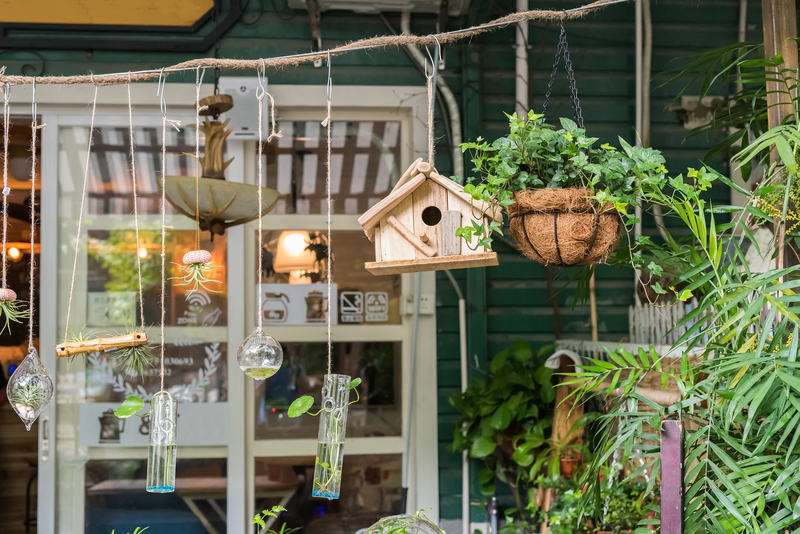
- Garden planters: Drill drainage holes in old pots. Add pebbles, soil, basil or thyme. Looks rustic, smells gorgeous.
- Bird feeders: Suspend a small pan or lid with twine. Fill with seeds. A cheerful morning ritual.
- Colander pendant lights: Classic upcycle: wire safely with an electrician. The perforations create playful light patterns.
- Lid trivets or serving trays: Glue on heatproof feet or small wooden handles (for trays, add a board beneath).
- Camping or BBQ kit: Retire a warped pan to outdoor cooking--it's forgiving over flames.
- Workshop or shed use: Old saucepans as hardware bins, paint kettles, or drip trays.
- Wall art or pot-racks: Arrange vintage lids in a gallery cluster; add hooks to a heavy pan for a charming key rack.
- Kitchen compost caddy: An old pot with a snug lid makes a handy interim compost bin.
Yeah, we've all been there--turning junk into something oddly lovely. It's oddly addictive too.
4) Donate or Share
- Makerspaces and school workshops: Metal practice pieces are gold for learning drilling, riveting, or art projects.
- Community art groups: Lids, handles, and odd shapes become sculptures or mobiles.
- Freecycle/local sharing apps: People often want planters, workshop pots, or prop pieces.
- Charity shops: Only if safe and presentable; most won't accept damaged non-stick. Call ahead.
5) Recycle the Right Way
- Strip non-metal parts: Remove plastic handles, glass lids, silicone grips. Separate materials.
- Sort metals: Stainless steel and aluminium are common; copper or cast iron are heavier. A magnet helps: if it sticks strongly, you've likely got ferrous metal.
- Take to an HWRC: Most UK Household Waste Recycling Centres accept pots and pans in the metal skip.
- Scrap metal dealers: For larger quantities or copper/cast iron, a licensed dealer may pay. Bring photo ID (UK law requires cashless, traceable transactions).
Truth be told, the metal value for one pan won't fund a holiday. But aggregated over time or as part of a clear-out, it adds up--and it keeps valuable materials in circulation.
Expert Tips
- Use the right screwdriver bit: Many handles use Pozidriv, not Phillips. The wrong bit strips screws--use PZ2 or PZ3 as appropriate.
- High-temp hardware only: Replace handle screws with stainless steel A2/A4; standard zinc-plated screws can corrode or weaken.
- Food-safe finishes: For wooden handles or knobs, finish with a food-safe oil (e.g., mineral oil) rather than polyurethane near heat.
- Seasoning oil matters: Flaxseed polymerises hard but can be brittle; grapeseed or canola are forgiving. Thin layers beat thick globs every time.
- Mind the hob: Warping often comes from high heat on an empty pan. Preheat gently; never shock a hot pan with cold water.
- Copper timing: If food starts to taste metallic or you see bare copper inside, stop cooking and get it re-tinned.
- Non-stick care: Only silicone/wood utensils. Hand-wash gently. Avoid aerosol sprays that can gum up surfaces.
- Keep a "shop pan": One retired pan in the shed saves your good stuff from paint, putty, or wax jobs.
- Magnet test for induction: If a magnet clings to the base, it's induction compatible--and likely recyclable as ferrous metal.
- Photograph before disassembly: Quick snaps of handle stacks and screw orders make reassembly painless.
On a chilly Tuesday, you'll thank yourself for the photo tip. Tiny washers have a way of vanishing under the toaster--its kinda wild.
Common Mistakes to Avoid
- Cooking on flaking non-stick: If it's peeling, retire it from food use immediately. Upcycle or recycle instead.
- Using the wrong adhesive: Household glues soften with heat. For handles, use mechanical fasteners or high-temp, food-safe solutions.
- Over-sanding cookware: Aggressive abrasives thin metal and ruin finishes. Gentle does it.
- Ignoring balance: Heavier replacement handles can make a pan tip. Test balance before committing.
- Forgetting about galvanic corrosion: Mixing dissimilar metals (e.g., copper and steel) in wet conditions accelerates corrosion. Keep joints dry.
- Dumping in general waste: Metal recycles forever. Use HWRC metal skips or scrap dealers.
- Reusing old copper bare: Copper needs a safe lining for most cooking. Don't risk it.
Ever tried clearing a room and found yourself keeping everything "just in case"? Here, keep with a purpose--or set it free to the recycler.
Case Study or Real-World Example
Family of Four, South London: From Cupboard Chaos to Smart Reuse
On a grey Saturday, you could almost smell the cardboard dust in the air as we unpacked a cupboard full of cookware: scratched non-stick, a beautiful but dull copper saute pan, two slightly warped stainless pans, and a cast iron skillet with a speckled rust patch.
- Non-stick frying pan: Flaking near the centre. We retired it from food use, removed the plastic handle, and placed the body aside for metal recycling. The handle? Off to the craft box.
- Copper saute: The tin lining was thin and patchy. We sent it to a UK re-tinning specialist. Four weeks later, it returned gleaming and safe--now the star of risotto night.
- Warped stainless pans: Mild warps only. We flattened the worst with a heated press-on method, then designated one as a camping pan. The other went back into kitchen rotation.
- Cast iron skillet: Rust removed, three rounds of seasoning, and it came up a rich, semi-gloss black. That first steak--sizzle, smell, the lot--was worth the elbow grease.
Outcome: one item recycled, three restored, one upcycled to camping. Replacements avoided, money saved, and the kitchen felt--lighter. To be fair, the copper pan stole the show.
Tools, Resources & Recommendations
Basic Toolkit
- Screwdriver set: Include Phillips, Pozidriv (PZ2/PZ3), and Torx bits.
- Stainless steel screws and nuts: A2 or A4 grades for heat and corrosion resistance.
- Rivet kit: For permanent, strong handle fixes (practice on scrap first).
- Chainmail scrubber and fine steel wool: For cast iron and carbon steel rust removal.
- Seasoning oils: Grapeseed, canola, or flaxseed; lint-free cloths or paper towels.
- Non-abrasive cleaners: Baking soda, white vinegar, dedicated stainless polish.
- Drill and bits: For drainage holes in planters; use step bits on stainless.
- Protective gear: Cut-resistant gloves, safety glasses, dust mask for sanding.
- Heat-proof mat and clamps: Keep things steady and safe.
Where to Recycle or Retin (UK)
- Household Waste Recycling Centres (HWRCs): Most accept pots, pans, and lids in the metal section.
- Scrap metal dealers: Choose Environment Agency-licensed dealers; bring photo ID.
- Re-tinning specialists: Several UK artisans restore copper pans to food-safe standards--search locally for "copper pan retinning UK."
- Makerspaces/community workshops: Great destinations for donations and learning repairs.
Learning Resources
- Repair cafes: Volunteer-led sessions help you fix items with expert guidance (and tea).
- Manufacturer care guides: Many brands publish maintenance and spare-part info.
- Local councils: Check your council website for HWRC locations and rules.
Small aside: the first time you drill a perfect set of drainage holes, it's a small triumph. No one sees it but you--but you'll know.
Law, Compliance or Industry Standards (UK-focused)
When exploring what to do with damaged pots and pans besides throwing them away, it helps to know the rules, especially if you're selling refurbished items or handling scrap.
- Scrap Metal Dealers Act 2013 (UK): Dealers must be licensed; sales are cashless and require identity verification. If you're taking metal to a dealer, bring photo ID and expect a bank transfer.
- Household Waste Regulations & Duty of Care: Householders should use authorised routes (HWRCs or licensed collectors). Businesses have a legal duty to ensure waste goes to permitted facilities and to keep waste transfer notes.
- Food Contact Materials: If you refurbish cookware for sale, it must comply with retained EU Regulation 1935/2004 (as implemented in UK law), which requires materials not transfer harmful substances to food and be safe under normal use.
- Non-stick coatings and PFAS: PFOA has been phased out; reputable non-stick products should be PFOA-free. If re-coating commercially, use suppliers who can evidence compliance with UK food-contact regulations.
- BS EN 12983-1: European/UK standard for domestic cookware general requirements (e.g., handle strength, stability). If you modify and then sell, your product should meet relevant standards.
- UKCA/CE marking: New cookware for sale should carry appropriate conformity marking. For refurbished/resold items, don't misrepresent performance, and provide clear condition descriptions.
- Electrical items: If you're dealing with electric cookware (e.g., multi-cookers), WEEE rules apply for recycling; for simple metal pots and pans, WEEE does not apply.
Important: If you intend to sell refurbished cookware, keep records of the work done, materials used, and any safety checks. Transparency builds trust--and keeps you compliant.
Checklist
Quick reference for deciding the fate of a pot or pan.
- Identify material (stainless, cast iron, carbon steel, aluminium, copper, non-stick).
- Check safety: Cracks, flaking coatings, severe warps? If yes, retire from cooking.
- Repairable? Tighten handles, re-season, re-rivet, polish, re-tin.
- Repurpose idea: Planter, bird feeder, lamp, workshop bin, camping.
- Donate? Makerspace, school, art group, sharing apps.
- Recycle: Remove non-metal parts, sort metals, take to HWRC/dealer.
- Document: Photos before disassembly; keep small parts in labelled bags.
- Safety gear: Gloves, glasses, mask for sanding/drilling.
One line that helps: If you wouldn't serve food from it with pride, either repair it right or give it a new purpose.
Conclusion with CTA
When you ask yourself, "What to do with damaged pots and pans besides throwing them away?" you're really asking how to respect the materials you own. Repairs restore function. Upcycling sparks creativity. Recycling closes the loop. And the kitchen you love stays feeling like yours--useful, cared for, and a little more sustainable every day.
Take one piece today. Assess it. Fix it or reimagine it. If it's gone beyond saving, recycle it well. You'll reduce waste, save money, and--honestly--feel good about it.
Get a free quote today and see how much you can save.
End note, simple and true: small actions, repeated, change the feel of a home. And that matters.
FAQ
When is a non-stick pan no longer safe to use?
If the coating is flaking, peeling, or deeply scratched, retire it from food use immediately. Upcycle or recycle the metal body after removing handles. Gentle wear (light scuffs) is often fine, but once the surface breaks down, don't risk it.
Can I re-coat a non-stick pan at home?
Consumer-grade re-coating at home isn't recommended. Proper PTFE application requires industrial processes and compliance with food-contact standards. It's usually more practical to upcycle or recycle and replace with a durable alternative (cast iron, carbon steel, or quality stainless).
Is aluminium cookware safe if it's scratched?
Plain aluminium naturally oxidises and minor scratches aren't inherently unsafe, but deep pitting or corrosion suggests it's time to retire from cooking. Avoid highly acidic dishes in heavily worn aluminium. Anodised aluminium relies on its surface layer--if that's damaged, consider repurposing.
How do I recycle pots and pans in the UK?
Remove non-metal parts (plastic handles, glass lids), then take the metal components to your local Household Waste Recycling Centre (metal skip). For larger loads or valuable metals (copper, cast iron), use a licensed scrap metal dealer. Bring photo ID as required by UK law.
What's the best way to restore a rusty cast iron pan?
Scrub rust off with chainmail or fine steel wool, wash and dry thoroughly, then apply a very thin layer of oil. Bake at 200-230?C for an hour, cool in the oven, and repeat 2-3 times. Avoid thick oil layers--they get sticky.
Can a warped pan be fixed?
Maybe. Mild warps sometimes improve with controlled heating and gentle pressure on a flat surface. Severe warping (especially in multi-ply pans) is usually permanent. Repurpose for camping or recycle.
Is it worth re-tinning copper pans?
Yes--if the pan is well-made. Re-tinning restores a safe, smooth cooking surface and preserves the pan's value. Use a reputable UK re-tinning specialist. For thin, decorative copper, re-tinning may not be cost-effective--repurpose instead.
Do charity shops accept damaged cookware?
Generally, no, especially for damaged non-stick. Some shops accept clean, safe stainless or cast iron in good condition. Call ahead. Makerspaces, schools, and sharing platforms are better outlets for worn items.
What tools do I need to fix a loose handle?
A screwdriver with the correct bit (often PZ2), stainless steel replacement screws or rivets, and sometimes a washer for better load distribution. Avoid household glues--they soften with heat.
Is it safe to cook on bare copper?
Not typically. Copper can leach into food, especially acidic dishes. Cookware should be lined with tin or stainless steel. If your copper pan's tin lining is worn through, stop cooking and get it re-tinned.
Can old pans be used as planters without harming plants?
Yes. Drill drainage holes, add a layer of pebbles, and use good potting soil. Most metals are fine for plants; if you're concerned, use a plastic liner pot inside the pan so roots don't touch the metal directly.
How do I know if my pan is induction compatible?
Use a magnet. If it sticks well to the base, the pan is likely induction compatible. Carbon steel, cast iron, and many stainless pans work; aluminium and copper need an induction plate in the base.
Are there food-safe adhesives for small repairs?
Food-safe, high-temperature adhesives exist but are specialised. For cookware handles, mechanical fasteners (screws/rivets) are safer and more durable. Avoid any glue where it may contact heat or food.
What's the environmental benefit of recycling a single pan?
Metals can be recycled repeatedly with far lower energy than producing new metal. One pan won't change the world, but combined with consistent habits--yours and your neighbours'--it keeps valuable materials in use and reduces emissions. Small steps, big picture.
How often should I re-season cast iron?
As needed. If food starts to stick or the surface looks dull or patchy, give it a clean and a quick seasoning cycle. With regular use and light oiling, it stays happy.
What should I do with glass lids?
Most HWRCs can't accept toughened cookware glass with household glass recycling due to different melting points. Reuse as serving covers, greenhouse cloches for seedlings, or donate to art groups. Otherwise, check your HWRC's guidance.
Can I sell refurbished cookware?
Yes, but be clear and honest about the condition and work performed. If you've modified items significantly or re-coated surfaces, ensure compliance with UK food-contact regulations and relevant standards. Keep records; buyers appreciate transparency.
Still wondering what to do with damaged pots and pans besides throwing them away? Pick one route today--repair, repurpose, donate, or recycle--and take that small, satisfying step. You've got this.